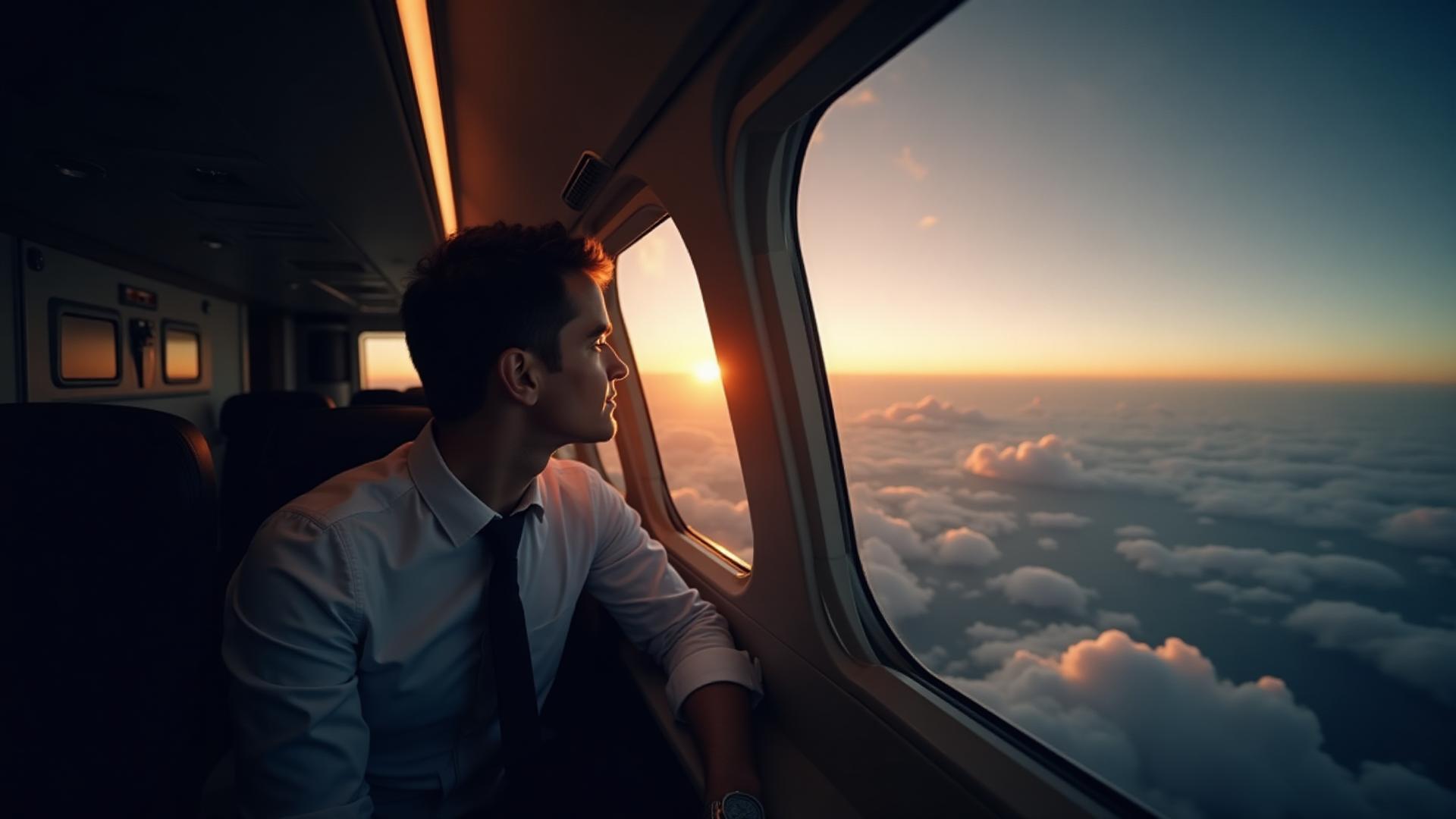
Flying corporate jets isn't just about procedures and performance.
It's about human beings; tired crews, emotional passengers, strong captains, unexpected diversions, long days, and small decisions that add up to trust.
My rotation schedule forces me to live in two worlds: 15 days of nonstop flying, and 13 days of recovery, family, and recalibration.
Between those cycles, I've learned more about leadership and humanity than any textbook could teach.
Every Captain Has a Style: Adapt to It
One week I might fly with a calm, methodical captain. The next, with someone strict, fast, procedural, or highly detailed.
My job is to adapt, not to match their personality, but to complement their style.
Good FOs don't copy captains. They stabilize them.
Fatigue Reveals Your True Discipline
Leadership isn't who you are when you feel good. It's who you are at hour 12, on your third leg of the day, landing into a busy airport.
Fatigue is where professionalism shows.
That means:
- double-checking the radios
- speaking slowly
- owning your mistakes
- staying situationally aware
Fatigue exposes you, but it also trains you.
Passengers Are People, Not Cargo
I've flown passengers who were anxious, grieving, celebrating, or simply tired.
Sometimes kindness matters more than efficiency. Sometimes patience is the true professionalism.
Trust Is Built in the Quiet Moments
Trust doesn't come from big heroics. It comes from:
- consistent briefings
- calm tone
- clean cockpit discipline
- honesty about mistakes
- a willingness to debrief
Teams form in small, invisible ways.
The Human Side Is the Leadership Side
Technical skill matters. But the human factors, empathy, clarity, awareness, humility, are what make great pilots.
This job didn't just make me better at flying. It made me a better human being.